
Get ready for cyber threats
3|Strategy helps ensure the security of organizations, guided by the pillars of information security
Confidentiality
Adopt measures to ensure the organization's data is kept private
Integrity
Ensure data is trustworthy and not tampered with, maintaining its consistency, accuracy and reliability
Availability
Keep networks, systems and devices running, ensuring data is available whenever needed
PREDICT | DETECT | PROTECT
The most valuable asset is knowledge: it makes it possible to predict cyberattacks, so threats are easily detected and organizations' data quickly protected.
of security failures are caused by human error
of corporate data breaches are caused by insider threats
of companies are not prepared to handle advanced cyberattacks
for companies to identify and contain a data breach
Sources: World Economic Forum (2022), CHECK POINT (2021), SOPHOS (2021), IBM (2022)
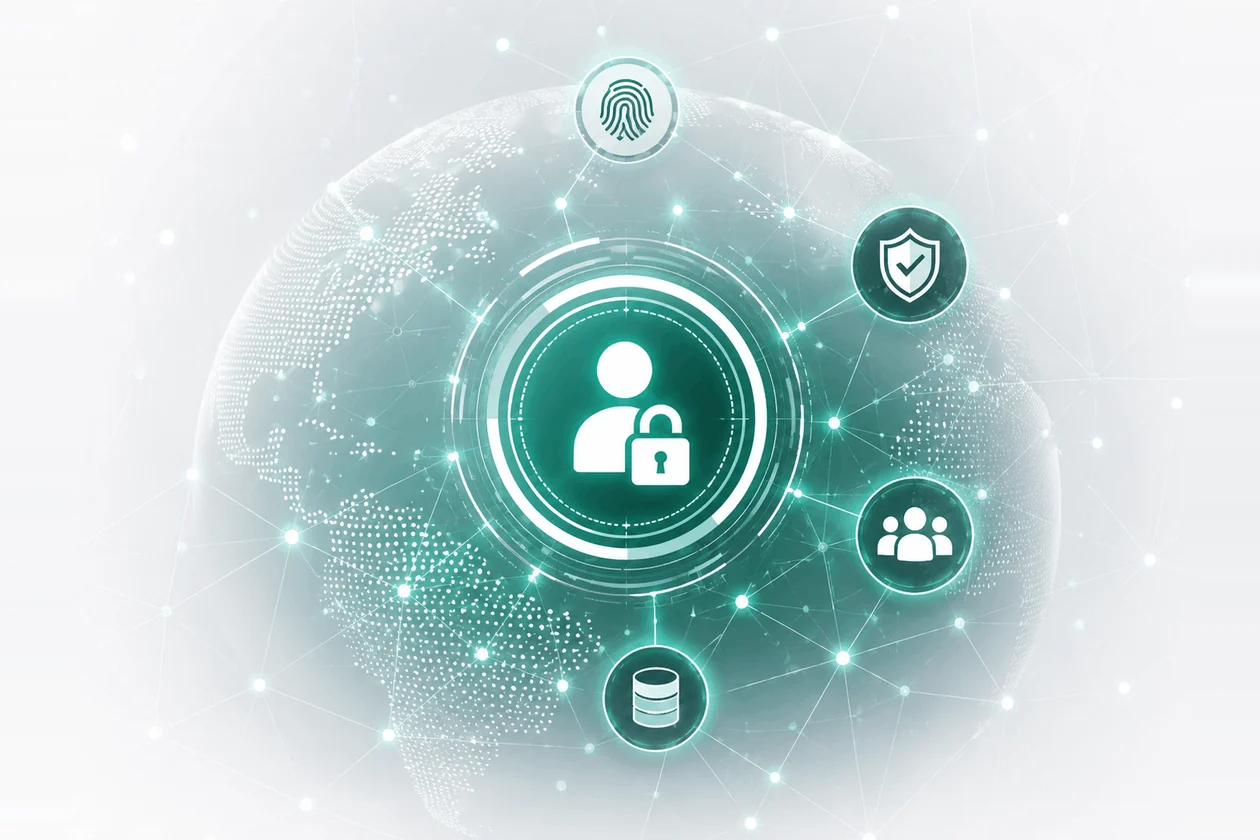
We Create a Safer Virtual World for your Future
We develop and adapt Cybersecurity solutions to ensure a secure, open and protected cyberspace for organizations.
Mission
Ensure the security and resilience of organizations, preparing them for the vulnerabilities of cyberspace by combining knowledge with Cybersecurity solutions
Vision
Be the reference partner for innovation and for promoting a Cybersecurity culture in organizations
CYBERSECURITY OPERATIONS CENTER
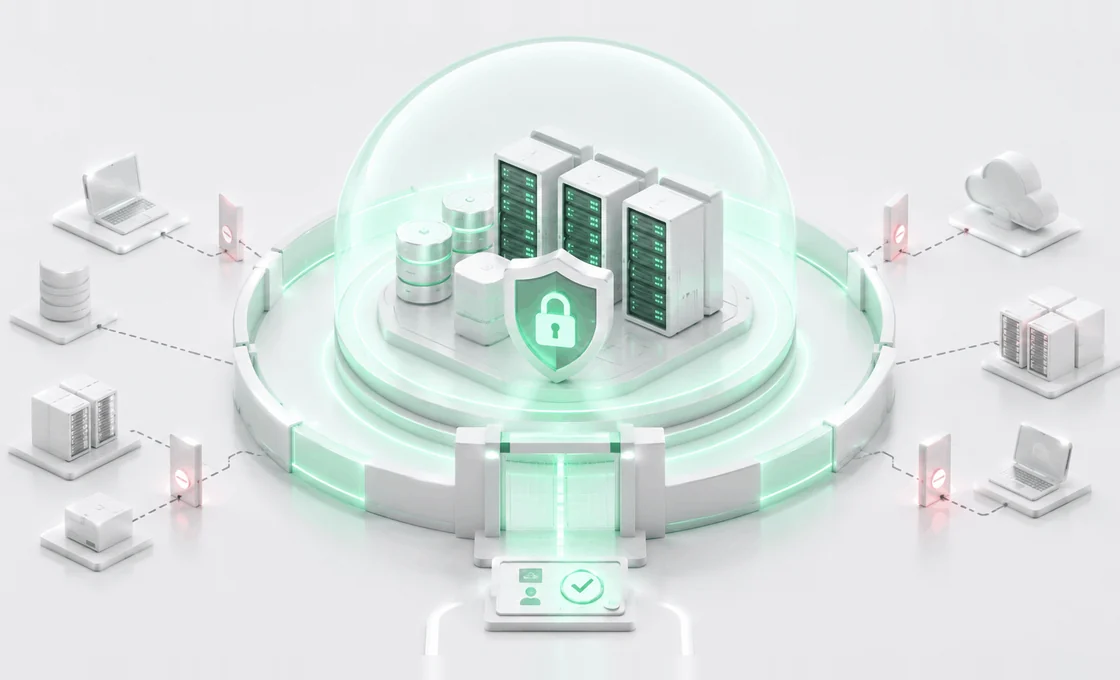
The Cybersecurity Operations Center monitors, prevents, detects, investigates and responds to cyber threats in organizations, using a combination of specific processes and technology solutions.
Prevent & Detect
Prevention will always be more effective than reaction. Rather than responding to threats as they happen, the CSOC monitors and analyzes activity on servers, endpoints, networks, databases, applications, websites and other systems, looking for suspicious or anomalous behavior.
This ensures any malicious behavior can be blocked as quickly as possible. When a CSOC analyst sees something suspicious, they gather as much information as possible for deeper investigation.
Investigate
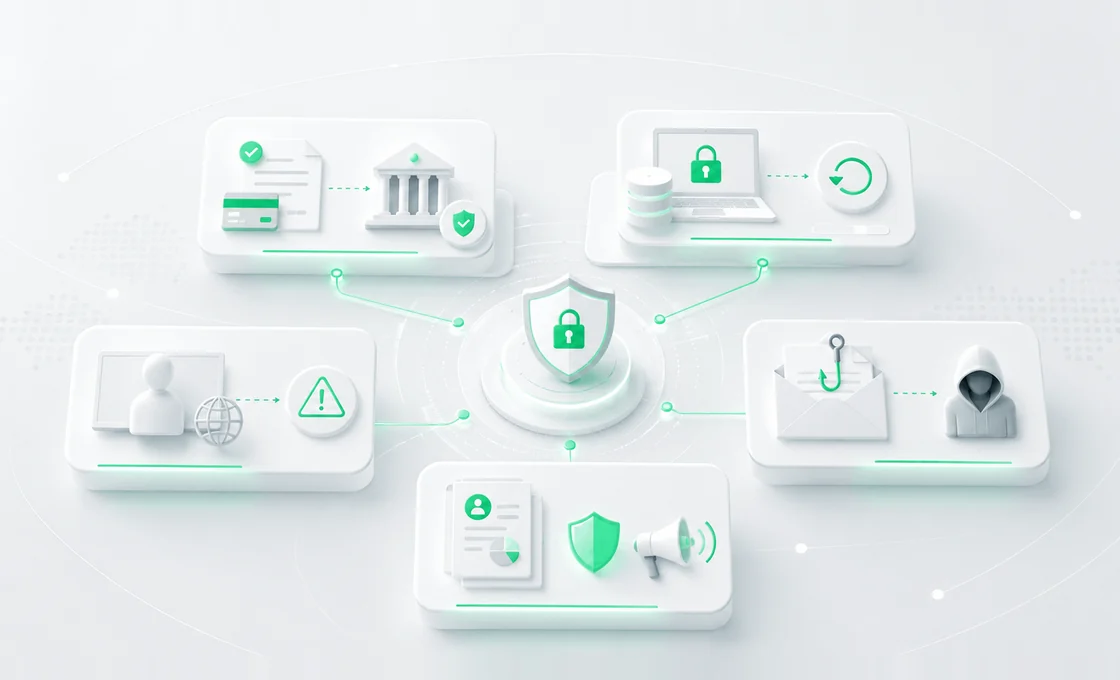
Potential malicious activity is investigated in greater detail to determine the nature of the threat and how far it has penetrated the infrastructure. At this stage, the security analyst views the organization's network and operations from an attacker's perspective, looking for key indicators and areas of exposure, detecting malicious activity and stopping it before it can cause any damage.
Respond
Once the investigation is complete, the CSOC team builds a response, which may include tasks such as terminating potentially harmful processes and isolating endpoints. After an incident, the CSOC works to restore systems and recover any lost or compromised data.
The CSOC team is also responsible for bringing systems back online once the attack has been fully handled. This can include wiping and restarting endpoints, reconfiguring systems or, in the case of ransomware attacks, deploying viable backups. When successful, this step returns the network to its pre-incident state.

Dimensions of the Cybersecurity Risk Management Process
Understand the organizational context to manage the risks associated with the organization's activity
- Identify critical business processes and assets
- Document information flows
- Maintain a hardware and software inventory
- Establish cybersecurity policies including roles and responsibilities
- Identify threats, vulnerabilities and risks to assets
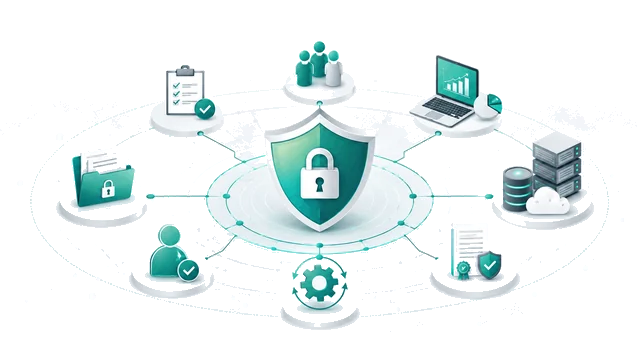
Develop and implement appropriate measures to protect the organization's processes and assets
- Manage access to assets and information
- Protect sensitive data
- Perform regular backups
- Protect devices
- Manage device vulnerabilities
- Train users

Define and implement appropriate measures to identify cybersecurity incidents in a timely manner
- Test and update detection processes
- Know the expected data flows in the company
- Maintain and monitor logs
- Understand the impact of cybersecurity events
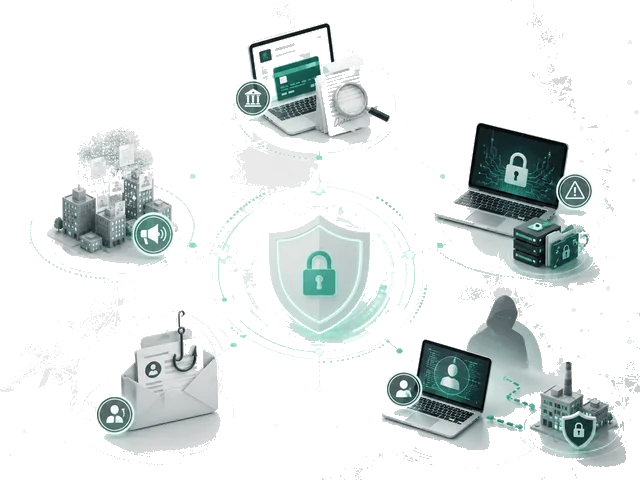
Define and implement appropriate measures to act during the detection of a cyberattack event, in order to mitigate the incident's impact
- Ensure response plans are tested
- Ensure response plans are up to date
- Coordinate response plans and updates with all internal and external stakeholders

Define and implement appropriate activities to maintain resilience plans and recovery measures for processes and services affected by a cybersecurity incident
- Communicate effectively with internal and external stakeholders
- Ensure recovery plans are up to date
- Manage public relations and the company's reputation
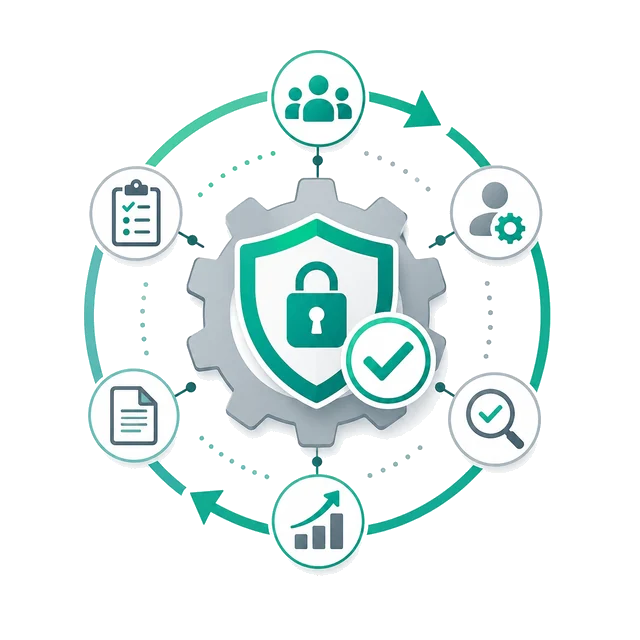

Services tailored to organizations and cyber threats
Contacts
Expert Consultants and State-of-the-Art Solutions
See Services